Barkley: A Messy Pencil-Drawn Font for Creative Workflows
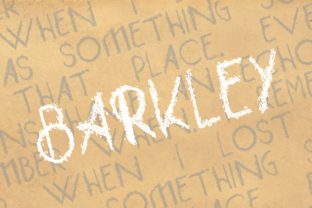
Barkley is a display font that captures the essence of hand-drawn creativity with its messy and rough aesthetic. Designed to mimic the look of a pencil sketch, it adds a unique personality to any design project. The font includes an extensive set of glyphs and variations on the standard alphabet, making it ideal for those who want to add a touch of authenticity and character to their work.
Understanding Barkley in the Context of Design Workflows
In the world of graphic design, typography plays a crucial role in communication and visual appeal. Barkley fits into this process by offering a distinctive alternative to more structured typefaces. Its irregular shapes and uneven strokes can evoke a sense of spontaneity and human touch, which is often desirable in creative projects.
Whether you're working on branding, editorial design, or digital content, Barkley can be used to highlight key elements or create a focal point. Its versatility allows it to blend well with other fonts while maintaining its own identity. This makes it a valuable tool in both print and digital media.
When to Use Barkley in Your Projects
Barkley can be integrated at various stages of a project. Before starting, it can inspire a concept or mood board. During the design phase, it can serve as a primary or secondary typeface depending on the needs of the layout. After the project is complete, it can be used for promotional materials or social media assets to maintain a consistent visual theme.
For instance, if you're designing a poster for an art exhibition, using Barkley for the title can draw attention and convey the artistic nature of the event. Similarly, in a blog post, it can be used for headings to make them stand out without overwhelming the reader.
How Barkley Interacts with Other Tools and Resources
When working with design software such as Adobe Photoshop, Illustrator, or Figma, Barkley can be easily imported and used alongside other fonts. It's important to consider how it interacts with other elements in the design to ensure readability and visual harmony.
Compatibility is key when using Barkley. While it works well with many design tools, it's essential to test it across different platforms and devices to ensure consistency. This is especially important for web-based projects where font rendering can vary depending on the browser and operating system.
Additionally, Barkley can be paired with other fonts to create a balanced composition. For example, combining it with a clean sans-serif font like Helvetica or Arial can provide contrast and enhance the overall design. This approach helps maintain legibility while still allowing Barkley to shine as a standout element.
Practical Implementation Tips
To get the most out of Barkley, consider the following tips:
- Use it strategically: Apply Barkley to headlines, logos, or callout text rather than body copy to avoid readability issues.
- Test different sizes: Experiment with varying font sizes to see how Barkley performs in different contexts.
- Combine with complementary fonts: Pair it with more structured typefaces to create visual balance and hierarchy.
- Adjust spacing: Pay attention to letter spacing and line height to ensure the font remains readable and aesthetically pleasing.
By implementing these strategies, you can effectively incorporate Barkley into your design workflow while maintaining a professional and polished look.
Factors to Consider When Using Barkley
Before integrating Barkley into your projects, it's important to evaluate several factors that can impact its effectiveness. These include preparation, usability, and long-term use.
Preparation involves understanding the specific requirements of your project and determining whether Barkley aligns with your goals. If your design requires a high level of formality or precision, Barkley may not be the best choice. However, for more casual or artistic projects, it can add a unique flair that sets your work apart.
Usability is another critical factor. While Barkley offers a distinctive look, it's important to ensure that it doesn't compromise the clarity of your message. Testing it in different formats and environments can help you identify any potential issues and make necessary adjustments.
Long-term use should also be considered. If you plan to use Barkley consistently across multiple projects, it's essential to maintain a cohesive visual identity. This can be achieved by establishing guidelines for its usage and ensuring that it remains a relevant and effective tool over time.
Workflow Examples and Observations
Here are a few examples of how Barkley can be used in different workflows:
- Branding: Use Barkley for a logo or tagline to create a memorable and visually appealing brand identity.
- Editorial Design: Apply it to headlines or subheadings in a magazine or newspaper to add a dynamic and engaging element.
- Digital Marketing: Incorporate it into social media posts or email campaigns to capture attention and convey a creative message.
- Personal Projects: Use it in a portfolio or personal website to showcase your unique style and artistic vision.
Observing how Barkley performs in these scenarios can provide insights into its strengths and limitations. It's also helpful to gather feedback from others to determine its effectiveness in different contexts.
Conclusion
Barkley is more than just a font—it's a tool that can enhance your creative process and add a personal touch to your designs. By understanding its characteristics and how it interacts with other elements, you can effectively integrate it into your workflow. Whether you're working on a small project or a large-scale campaign, Barkley offers a unique and expressive option that can elevate your work and reflect your individuality.