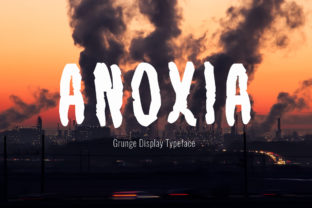
Anoxia: A Versatile Brush Font for Creative Workflows
When it comes to design, the right font can make a significant difference in how a message is perceived. Anoxia is a brand new brush font that stands out for its elegant, hand-drawn aesthetic and versatility across multiple mediums. Whether you're working on a logo, a t-shirt design, or a website header, Anoxia offers a unique visual identity that can elevate your creative projects.
This article explores how Anoxia fits into broader workflows, from initial concept development to final implementation. It also provides practical insights into integrating this font into your design process, ensuring consistency, efficiency, and quality in your work.
Understanding Anoxia and Its Role in Design Processes
Anoxia is more than just a font—it's a tool that can streamline your creative workflow. Its brush-like strokes give it a natural, organic feel that works well with both digital and print media. This makes it ideal for a wide range of applications, including stationery, logos, t-shirts, papers, print designs, website headers, photo frames, flyers, music covers, posters, image sliders, and more.
For designers, marketers, and content creators, Anoxia serves as a bridge between traditional artistry and modern digital design. It allows for quick prototyping and iteration, making it a valuable addition to any creative toolkit. By using Anoxia, you can maintain a cohesive look across different platforms while adding a personal touch to your work.
Integrating Anoxia into Your Workflow
Whether you're starting a new project or refining an existing one, Anoxia can be used at various stages of the design process. Before beginning a project, consider how the font will complement your overall vision. For example, if you're designing a logo for a boutique or a small business, Anoxia's fluid lines can add a sense of creativity and authenticity.
During the execution phase, Anoxia can help you maintain consistency across different elements of your design. If you're working on a series of promotional materials, such as flyers and social media posts, using the same font ensures a unified brand presence. This consistency not only strengthens your message but also improves recognition and recall among your audience.
After completing a project, Anoxia can still play a role in quality control. Reviewing your work with this font can help identify any inconsistencies or areas for improvement. For instance, if you're preparing a print-ready document, checking how Anoxia appears in different sizes and formats can ensure it meets your standards for clarity and readability.
Practical Use Cases for Anoxia
Anoxia's flexibility makes it suitable for a variety of use cases. Here are some examples of how it can be applied in real-world scenarios:
- Logos: Anoxia can add a distinctive flair to logos, especially for brands that want to convey creativity, craftsmanship, or a personal touch.
- T-shirt Designs: Its brush-like texture works well for casual, artistic t-shirt prints, giving them a handmade feel.
- Website Headers: Using Anoxia for headings can create a visually engaging layout that draws attention and enhances user experience.
- Flyers and Posters: The font's dynamic appearance makes it ideal for eye-catching promotional materials that stand out in crowded spaces.
- Photo Frames and Image Sliders: Anoxia can be used to add text overlays that complement images without overpowering them.
Compatibility and Usability Considerations
Before incorporating Anoxia into your workflow, it's important to consider compatibility and usability factors. Ensure that the font is supported by the software or platform you're using. Most design tools, such as Adobe Photoshop, Illustrator, and Canva, support custom fonts, making it easy to integrate Anoxia into your projects.
Usability is another key factor. Anoxia's legibility can vary depending on the size and context in which it's used. For body text, it may be best to pair it with a more readable font to maintain clarity. However, for headlines or decorative elements, Anoxia can shine on its own.
When working with teams or clients, it's also essential to communicate how Anoxia will be used. Providing guidelines on font size, spacing, and color contrast can help ensure that the font is implemented effectively across all deliverables.
Workflow Tips for Effective Implementation
To get the most out of Anoxia, consider the following tips for integrating it into your workflow:
- Start with a Clear Vision: Define the purpose of your design and how Anoxia will contribute to that vision. This helps avoid unnecessary changes later in the process.
- Test in Different Contexts: Experiment with Anoxia in various formats, such as print, web, and mobile, to see how it performs under different conditions.
- Pair with Complementary Elements: Combine Anoxia with other fonts, colors, and graphics to create a balanced and visually appealing design.
- Document Your Process: Keep track of how and where you use Anoxia in your projects. This documentation can serve as a reference for future work and help maintain consistency.
- Seek Feedback: Share your designs with others to gather insights on how Anoxia affects the overall look and feel of your work.
Long-Term Use and Maintenance
As you continue to use Anoxia in your projects, consider its long-term impact on your workflow. Regularly review how it aligns with your evolving design needs and adjust your approach as necessary. For example, if you find that Anoxia is no longer meeting your requirements, explore alternative fonts that better suit your goals.
Maintaining a library of fonts, including Anoxia, can also improve your efficiency. Organizing your fonts in a centralized location, such as a cloud storage system or design software, ensures that they're easily accessible when needed.
Additionally, staying updated on new releases or variations of Anoxia can provide fresh options for your creative projects. Font updates often include improved features, enhanced compatibility, and new stylistic choices that can expand your design possibilities.
Conclusion
Anoxia is a powerful tool that can enhance your creative workflow and add a unique touch to your designs. By understanding its role in different stages of the design process, considering compatibility and usability, and implementing practical tips, you can make the most of this versatile brush font. Whether you're working on a logo, a t-shirt, or a website header, Anoxia offers a flexible and stylish solution that can elevate your work and meet your design goals.