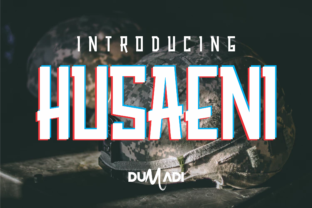
Husaeni: A Modern Font for Creative Projects
The Husaeni font is a contemporary typeface designed to enhance visual communication across a variety of applications. With its distinctive style and modern aesthetic, it offers designers and creators a versatile tool for projects that require both elegance and clarity. Whether used in logos, invitations, or digital content, Husaeni brings a unique character that can elevate the overall look of any design.
Understanding Husaeni
Husaeni is a modern font that blends traditional typographic elements with a fresh, updated approach. It is crafted to be both readable and visually appealing, making it suitable for a wide range of uses. The font features clean lines and balanced proportions, which contribute to its legibility in both print and digital formats. Its design allows it to stand out without sacrificing functionality, making it an attractive choice for those looking for a font that is both stylish and practical.
Designed with versatility in mind, Husaeni is ideal for projects that require a touch of sophistication. Its adaptability makes it a popular option among graphic designers, marketers, and creative professionals who want to add a unique flair to their work. The font's availability in multiple weights and styles ensures that it can be tailored to suit different design needs.
Reasons to Consider Husaeni
There are several reasons why someone might choose Husaeni for their design projects. One of the primary advantages is its ability to add a distinct visual identity to any work. For designers looking to create a memorable brand presence, Husaeni offers a font that can help differentiate their work from others. Its modern appearance makes it particularly well-suited for contemporary designs, such as website headers, social media graphics, and marketing materials.
Another benefit of Husaeni is its readability. While it has a unique style, it maintains a level of clarity that ensures it remains easy to read, even at smaller sizes. This makes it a good choice for body text in certain contexts, although it may not be the best option for long passages of text. Its balance between style and function makes it a reliable choice for many design applications.
Benefits and Tradeoffs
Using Husaeni can offer several benefits, including its ability to enhance the visual appeal of a project. Its modern design can give a professional and polished look, which is especially valuable for businesses and creatives aiming to make a strong impression. Additionally, the font’s availability in various weights and styles provides flexibility for different design requirements.
However, there are also tradeoffs to consider. While Husaeni is visually striking, it may not be the best choice for all types of projects. In some cases, its unique style could be too bold or unconventional for more traditional or minimalist designs. Additionally, the font may not be as widely recognized as some other typefaces, which could affect its suitability for certain audiences.
It is also important to consider the technical aspects of using Husaeni. Designers should ensure that the font is properly licensed for their intended use, especially if it is being used commercially. Compatibility with different software and platforms is another factor to keep in mind, as some systems may not support all font formats seamlessly.
Situations Where Husaeni Fits Well
Husaeni is particularly well-suited for projects that require a modern and stylish appearance. It is an excellent choice for logos, where a strong visual identity is essential. The font’s clean lines and balanced structure can help create a professional and memorable brand image. It is also effective for invitations, greeting cards, and other printed materials that benefit from a refined aesthetic.
In addition, Husaeni works well for digital content such as banners, social media posts, and website headers. Its ability to maintain clarity while adding visual interest makes it a good option for online design elements that need to capture attention quickly. For designers looking to create a cohesive visual theme, Husaeni can serve as a central element that ties different components together.
When Alternatives May Be Better
While Husaeni is a strong option for many design projects, there are situations where alternative fonts may be more appropriate. For example, if a project requires a more traditional or classic look, a serif font might be a better fit. Similarly, for minimalistic or highly functional designs, a sans-serif font with a simpler structure could be more effective.
Designers should also consider the target audience when choosing a font. Some audiences may prefer more conventional typefaces, while others may appreciate the uniqueness of Husaeni. It is important to evaluate how the font will be perceived by the intended viewers and whether it aligns with the overall message of the design.
Decision-Making Insights
When deciding whether to use Husaeni, it is helpful to assess the specific needs of the project. Designers should consider factors such as the desired visual style, the context in which the font will be used, and the preferences of the target audience. Testing the font in different scenarios can provide valuable insights into its effectiveness and suitability.
Additionally, exploring other fonts and comparing them to Husaeni can help designers make an informed decision. By evaluating multiple options, they can determine which font best meets the goals of their project while maintaining a high level of quality and professionalism.
Ultimately, Husaeni offers a compelling choice for those seeking a modern and stylish font. Its combination of visual appeal and functionality makes it a valuable asset for a wide range of design applications. However, careful consideration of the project’s requirements and the audience’s expectations is essential to ensure that the font enhances rather than detracts from the overall design.