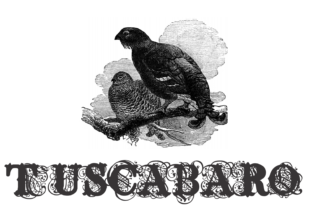
Tuscabaro: The Perfect Blend of Style and Sophistication
For those seeking a unique and eye-catching font that combines the elegance of traditional script with the boldness of modern design, Tuscabaro is a standout choice. This distinctive typeface merges two different styles of decorative fonts, resulting in a display font that is both visually appealing and versatile. Whether you're working on a branding project, designing a logo, or creating a marketing campaign, Tuscabaro offers a fresh and sophisticated look that can elevate your work.
What Makes Tuscabaro Unique?
Tuscabaro isn't just another decorative font—it's a fusion of two distinct typographic styles, each bringing its own character to the final product. This combination allows for a balance between readability and artistic flair, making it ideal for situations where visual impact is key. Unlike many other display fonts that may be too ornate or difficult to read at smaller sizes, Tuscabaro maintains clarity while still offering a striking appearance.
The font’s design is particularly well-suited for headings, titles, and logos, where a strong visual presence is needed without sacrificing legibility. Its versatility also means it can be used across various mediums, from digital platforms to print materials, ensuring consistent and professional results.
Common Mistakes When Using Tuscabaro
While Tuscabaro is a powerful tool, it's easy to make mistakes when using it, especially if you're not familiar with its nuances. One common error is overusing the font in large blocks of text. Because Tuscabaro is a decorative display font, it's best reserved for short phrases or headlines rather than long paragraphs. Using it excessively can lead to poor readability and a cluttered appearance.
Another mistake is not considering the context in which the font will be used. For example, applying Tuscabaro to a business website might not be appropriate if the brand is meant to appear professional and straightforward. In such cases, a more traditional sans-serif or serif font would be a better fit. It's important to align the font choice with the overall tone and purpose of the project.
Overlooking Font Licensing and Usage Rights
Many users overlook the importance of checking licensing terms before downloading or purchasing Tuscabaro. Some fonts come with restrictions on commercial use, which can lead to legal issues if not properly understood. Always verify the license agreement to ensure that you're allowed to use the font for your intended purpose, whether it's personal, commercial, or for a client.
How to Choose the Right Version of Tuscabaro
Before making a decision, take the time to explore different versions of Tuscabaro available online. Not all fonts labeled as Tuscabaro are created equal—some may have variations in weight, style, or spacing. Look for high-quality sources that provide clear previews and detailed information about the font's features.
Consider testing the font in different sizes and formats to see how it performs in real-world scenarios. For instance, check how it looks on a website, in a PDF document, or on social media posts. This will help you determine if it meets your needs and works well across various platforms.
Practical Tips for Using Tuscabaro Effectively
To get the most out of Tuscabaro, start by using it strategically. Apply it to key elements like headlines, logos, or call-to-action buttons where visual impact matters most. Pair it with simpler, more readable fonts for body text to maintain a balanced and professional look.
When working on a design project, consider the audience and the message you want to convey. If the goal is to communicate something elegant or refined, Tuscabaro can be an excellent choice. However, if the design requires a more neutral or functional appearance, you may need to rethink your font selection.
Examples of Better Approaches
Instead of using Tuscabaro for an entire website, try incorporating it into a single headline or banner. This approach keeps the design clean while still highlighting the font's unique qualities. For example, a fashion brand could use Tuscabaro in its logo and main title, while using a standard sans-serif font for product descriptions and navigation menus.
Another effective strategy is to experiment with different color schemes and backgrounds. Tuscabaro can stand out against solid colors, but it may not perform as well on complex or busy designs. Test it on various backgrounds to find the best visual outcome.
What to Check Before Using Tuscabaro
Before downloading or purchasing Tuscabaro, make sure to check the following:
- License Terms: Confirm that the font is suitable for your intended use, whether personal or commercial.
- Font Quality: Ensure the file is high-resolution and includes all necessary weights and styles.
- Compatibility: Verify that the font works across different operating systems and design software.
- Preview Options: Use online previews to see how the font looks in different sizes and contexts.
By taking these steps, you can avoid potential issues and ensure that Tuscabaro enhances your design rather than detracts from it.
Conclusion: Make Informed Choices with Tuscabaro
Tuscabaro is a powerful and stylish font that can add a touch of sophistication to any project. However, its effectiveness depends on how it's used and the context in which it appears. By avoiding common mistakes, understanding licensing requirements, and choosing the right version, you can maximize the benefits of this unique typeface.
Whether you're a designer, marketer, or business owner, Tuscabaro offers a compelling option for creating visually engaging content. With careful consideration and practical application, it can become a valuable asset in your design toolkit.