Retrospective: A Retro Font for Modern Design Needs
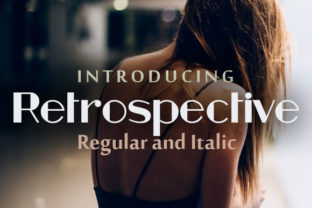
The Retrospective font is a versatile and distinctive typeface that blends the charm of vintage design with contemporary usability. Available in both regular and italic variants, it offers a nostalgic aesthetic while maintaining readability across various applications. This makes it an appealing choice for designers seeking to evoke a retro vibe without sacrificing clarity or functionality.
What Makes Retrospective Unique?
Retrospective stands out due to its balanced mix of retro elements and modern typography principles. Its letterforms feature subtle imperfections and rounded edges that give it a handcrafted feel, reminiscent of 1970s and 1980s signage and posters. These characteristics make it ideal for projects that aim to convey nostalgia, creativity, or a sense of timelessness.
The font’s design also allows for a wide range of use cases. Whether used in headlines, banners, or branding materials, Retrospective maintains a strong visual presence without overwhelming the reader. Its regular variant provides a clean, structured look, while the italic version adds a touch of elegance and movement, making it suitable for more dynamic compositions.
Comparing Retrospective to Similar Fonts
When evaluating fonts like Retrospective, it's important to consider how they compare to other retro-style typefaces. Many similar options, such as Bebas Neue or Bangers, lean heavily into bold, attention-grabbing designs. While these can be effective for specific purposes, they may not offer the same level of adaptability as Retrospective.
Fonts like Rockwell or Freight Text also draw from retro influences but tend to have a more industrial or mechanical feel. Retrospective, by contrast, strikes a balance between retro charm and modern legibility. This makes it a more flexible option for designers who want to incorporate a vintage aesthetic without compromising on readability or professionalism.
Another key difference lies in the weight and spacing of Retrospective. Unlike some retro fonts that can appear cramped or overly stylized, Retrospective offers generous spacing and clear letterforms. This ensures that it remains readable at smaller sizes and in multi-line settings, which is crucial for body text or longer passages.
Best Use Cases for Retrospective
Retrospective excels in scenarios where a retro or vintage theme is desired but not overpowering. For example, it works well for branding projects targeting audiences that appreciate nostalgia, such as music festivals, vintage clothing stores, or retro-themed events. Its clean lines and structured design also make it suitable for editorial layouts, where a strong visual identity is needed without distracting from the content.
In digital design, Retrospective can be used for website headers, social media graphics, or app interfaces that aim to create a playful or artistic atmosphere. Its italic variant is particularly effective for subheadings or captions, adding a sense of motion and fluidity to the composition.
For print media, Retrospective is a great choice for posters, flyers, and banners. Its bold yet refined appearance ensures that it stands out in crowded environments while still being easy to read from a distance. This makes it a practical option for promotional materials that need to capture attention quickly.
Tradeoffs and Limitations
While Retrospective is a strong contender for many design projects, it may not be the best fit for every situation. Its retro aesthetic, while appealing, may not align with more minimalist or modern design trends. In such cases, fonts with cleaner lines and less ornamentation might be more appropriate.
Additionally, Retrospective’s unique character may not be ideal for long-form text. Its stylized features, while visually engaging, can reduce readability when used in extended paragraphs. For this reason, it is generally recommended for short bursts of text, such as headlines, titles, or decorative elements rather than body copy.
Designers should also consider the context in which the font will be used. In professional or formal settings, a more subdued typeface might be preferable. However, in creative or entertainment-based projects, Retrospective can add a distinctive and memorable quality that sets the design apart.
When Retrospective Is the Right Choice
Retrospective is most effective when the goal is to evoke a sense of history, creativity, or playfulness. It is particularly well-suited for projects that aim to connect with audiences on an emotional level, such as branding for independent artists, vintage product lines, or themed events.
It also works well when paired with other design elements that complement its retro style. For instance, using Retrospective alongside muted color palettes, textured backgrounds, or vintage illustrations can enhance the overall aesthetic and create a cohesive visual identity.
For designers looking to experiment with typography, Retrospective offers a refreshing alternative to more conventional fonts. Its distinct character allows for creative expression while still maintaining a level of professionalism and versatility.
Alternative Options to Consider
If the retro aesthetic of Retrospective does not align with a project’s goals, there are several alternatives worth exploring. For a more modern approach, fonts like Montserrat or Lato provide clean, versatile designs that work well in a variety of contexts. These options are particularly useful for projects that require a more neutral or professional tone.
For those who prefer a stronger retro influence, fonts like Lobster or Pacifico offer a bolder, more expressive style. These are ideal for projects that prioritize visual impact over subtlety, such as album covers, event promotions, or high-contrast signage.
Ultimately, the choice of font depends on the specific needs of the project. Retrospective offers a compelling middle ground between retro charm and modern usability, making it a valuable addition to any designer’s toolkit.
Conclusion: Making the Right Typographic Choice
Retrospective is a well-crafted font that successfully blends retro aesthetics with contemporary design principles. Its versatility, readability, and distinct character make it a strong option for a wide range of applications, from branding to editorial design.
However, like any tool, it is most effective when used appropriately. Understanding its strengths and limitations can help designers make informed decisions about when to use it and when to explore other options. By considering the context, audience, and goals of a project, designers can ensure that their typographic choices enhance the overall message and visual appeal of their work.