Tomcat: A Strategic Tool for Creative and Professional Growth
In the world of design, branding, and communication, the right tools can make all the difference. Tomcat, a versatile and playful display font, offers more than just visual appeal—it provides a strategic advantage when used thoughtfully. Whether you're an entrepreneur, marketer, designer, or content creator, understanding how to leverage Tomcat can enhance your creative output and support your broader goals.
Understanding Tomcat: More Than Just a Font
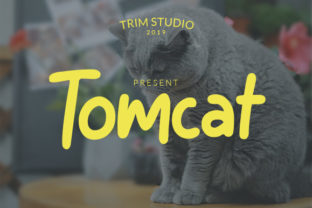
Tomcat is not just a typeface; it's a tool that can influence perception, engagement, and brand identity. Designed with a regular and bold style, it brings a sense of energy and playfulness to any project. This duality makes it suitable for both casual and professional settings, allowing users to balance creativity with clarity.
The font’s unique characteristics—such as its rounded edges and dynamic structure—make it ideal for headlines, logos, and other visual elements where impact matters. However, its usefulness extends beyond aesthetics. When integrated into a larger strategy, Tomcat can help reinforce brand personality, improve readability, and create a stronger connection with the audience.
Strategic Use of Tomcat in Branding and Communication
For businesses and individuals looking to stand out, Tomcat offers a way to differentiate their brand without sacrificing professionalism. In a market saturated with generic fonts, using a distinctive typeface like Tomcat can help establish a memorable identity. It’s particularly effective for brands targeting younger audiences or those aiming to convey a sense of innovation and fun.
Consider a startup launching a new product. By incorporating Tomcat into their marketing materials, they can signal a fresh, energetic approach while maintaining a level of sophistication. The bold variant, in particular, can be used to highlight key messages, making them more noticeable and impactful.
When to Use Tomcat: Practical Scenarios
Tomcat is best suited for projects that require a blend of creativity and clarity. Here are some scenarios where it can be especially effective:
- Headlines and Titles: Use Tomcat to draw attention to important sections of your content, such as blog posts, presentations, or social media updates.
- Logos and Branding Elements: Its playful yet structured design makes it a strong choice for logos, especially for brands that want to appear approachable and modern.
- Marketing Materials: Incorporate Tomcat into banners, posters, or email campaigns to create a visually engaging experience that aligns with your brand voice.
Planning and Positioning: Key Considerations
Before integrating Tomcat into your design work, it’s essential to consider how it fits into your overall strategy. Ask yourself: What message do I want to convey? Who is my target audience? How does this font align with my brand’s identity?
For example, if your brand is focused on professionalism and trust, using Tomcat might not be the best choice unless it’s balanced with more traditional fonts. On the other hand, if your brand aims to be innovative and youthful, Tomcat can be a powerful asset.
Additionally, think about the context in which the font will be used. Will it be on a website, printed material, or digital ad? Different platforms may require adjustments to ensure the font remains legible and effective.
Enhancing Creativity and Productivity
Using Tomcat can also stimulate creativity by offering a fresh perspective on typography. For designers and writers, experimenting with different fonts can lead to new ideas and more engaging content. It encourages thinking outside the box while maintaining a clear structure.
Moreover, Tomcat can boost productivity by simplifying the design process. Its versatility allows for quick iterations and adjustments, saving time and effort. This is especially valuable for professionals working under tight deadlines or managing multiple projects simultaneously.
Long-Term Value and Strategic Alignment
While Tomcat is a useful tool, its long-term value depends on how well it aligns with your broader objectives. A font alone cannot guarantee success, but when used intentionally, it can contribute to a cohesive and effective brand strategy.
Consider the following when evaluating Tomcat’s role in your work:
- Consistency: Ensure that the font is used consistently across all platforms and materials to maintain a unified brand image.
- Audience Reception: Test how your target audience responds to the font. Does it resonate with them, or does it feel out of place?
- Competitive Edge: Assess whether using Tomcat gives you a unique advantage over competitors who may rely on more conventional fonts.
Potential Risks and Limitations
Like any tool, Tomcat has limitations. Overuse or misuse can dilute its effectiveness. For instance, using it in large blocks of text may reduce readability, making it unsuitable for body copy. Similarly, if not paired correctly with other fonts, it can create a chaotic visual effect.
Another risk is relying on it without a clear purpose. If Tomcat is used randomly or without strategic intent, it may fail to deliver the desired impact. This highlights the importance of thoughtful planning and intentional application.
Conclusion: Using Tomcat Intentionally for Better Results
Tomcat is more than just a font—it’s a strategic asset that, when used correctly, can enhance your creative and professional work. By understanding its strengths, considering its placement, and aligning it with your goals, you can unlock its full potential.
Whether you’re building a brand, designing a campaign, or simply looking for a fresh look, Tomcat offers a unique opportunity to express your vision with creativity and confidence. The key is to use it with intention, ensuring that every decision contributes to your broader objectives and long-term success.